
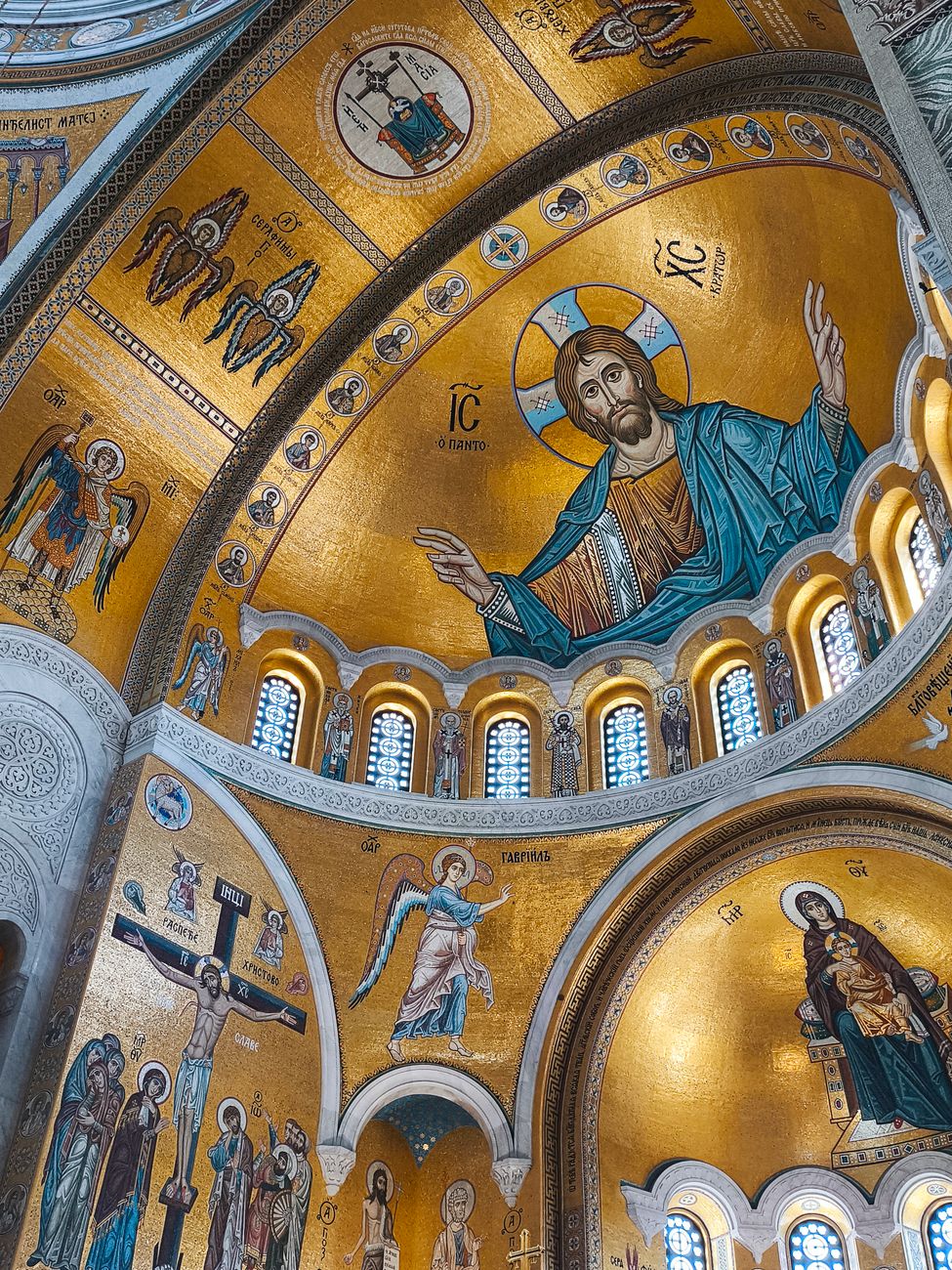
Like lectio divina, this is a contemplative practice of reading the moment. Instead of sitting with text, visio divina uses art and images. It can be done sitting in the pew of a beautiful chapel adorned with the work of master artists or while focusing on a religious icon.
It could be any image really. It could be a photograph you’ve taken quickly on your phone. Or something your child all afternoon drawing only to place this prized possession in your hand. It could be a postcard you picked up years ago while visiting an art museum years before. Something about that painting or sculpture arrested you enough that you stopped in the shop to purchase a memory of it.
Whatever the image might be, it is the same intention as lectio divina. The words from the Bible are replaced by an image that becomes a meditative tool to encounter the quiet wonder of God.
When I sit down in a quite place with my image to enter into this practice, I’ve observed I’m a little less formal. I don’t worry so much about the steps guided by lectio divina. I’m more open and curious. I don’t quite need these following steps. It is enough for me to borrow a line from scripture to repeat when my thoughts wander. Give me eyes to see, I repeat. That refrain invites me back into an encounter and I’m able to wonder what more I might see of God’s wonder.
If you are just starting out, having never tried this before, these steps can be very helpful. Just know that you are welcome to wander because sometimes that it is where the prayer gets really good. It’s where the truth can be revealed. Sometimes, you’ll need to return to these steps to enter back into the prayer.
The steps are as follows:
1. Visio (Gaze)
Simply notice what catches your eye. Don’t overthink it or analyze it, but notice what shimmers in the image. It might be something small: a color, a gesture, a particular detail in the craft, perhaps even a figure.
2. Meditatio (Meditate)
Move your eyes around the whole image and absorb the whole image.
3. Oratio (Pray)
Begin (if you haven’t already started) talking with God about what it is that you see, how it feels and how it connects to your experience right now.
4. Contemplatio (Contemplate)
After every thought has been shared, let go of the analysis. Be still and rest in the wonder of this beauty and the wonder of God.
As with lectio divina, I never set a timer. I let the conversation be what it needs to be and I’m always amazed with what I discover. It’s so much more than just looking at a thing of beauty.


Leave a Reply